

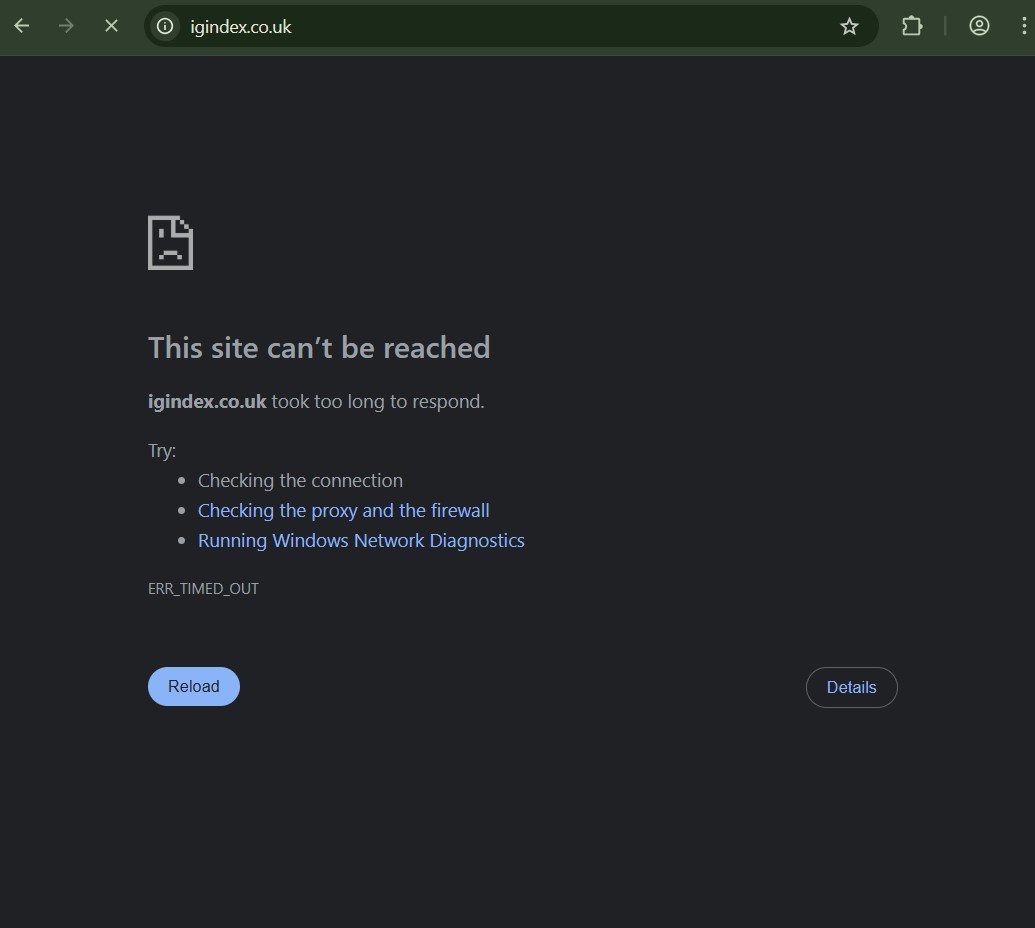
Igindex.co.uk Scam -13 Persistent RedFlags
The FCA explicitly flagged ig-uk.co.uk (and similar variants) as unauthorized clones impersonating the FCA-authorized IG, using similar names, phone numbers, and email patterns to lure victims. Through a regulatory cloning and trust exploitation lens, igindex.co.uk raises immediate alarms: no verifiable authorization, domain mismatches with the real IG’s branding, sparse or absent legitimate reviews, potential spoofing of contact details, and incentives for fraudsters to exploit IG’s 50+ year reputation for fast deposits or “trading opportunities” without delivering services. These tactics erode user leverage, turning trust in a household name into financial loss through fake accounts or phishing.
Clone Warning Confirmation: FCA Explicitly Flags Similar Domains to igindex
The Financial Conduct Authority (FCA) issued a warning about “IG-UK / ig-uk.co.uk” as a clone of the authorized IG firm, noting fraudsters use similar names, phone numbers (e.g., 02071673194), and emails to pretend legitimacy. While the exact “igindex.co.uk” domain isn’t listed verbatim in all warnings, the pattern matches closely—fraudsters often cycle through slight variations (igindex, ig-uk, igindex.co.uk) to evade blocks.
This cloning exploits IG’s strong brand: users searching “ig index uk” or “igindex” may land on fakes, entering details on phishing pages. Incentives for scammers are clear—zero regulatory oversight allows quick setup and abandonment—while real IG (ig.com) disclaims such sites and directs users to official channels. Leverage vanishes once funds are sent to unauthorized entities.
For clone firm patterns, see our guide to FCA clone warnings in trading sector impersonations.
Domain & Branding Mismatch: igindex vs Official IG Infrastructure
The legitimate IG Group operates via ig.com/uk (with subsidiaries IG Index Ltd and IG Markets Ltd regulated by the FCA under numbers 195355 and 114059). No official redirects, mentions, or ownership ties link to igindex.co.uk, which lacks the secure, branded experience of the real platform (advanced charting, 17,000+ markets, ISA/SIPP options).
This mismatch incentivizes deception: fraudsters register similar domains cheaply, mimicking logos or interfaces to harvest logins or payments. Users on igindex.co.uk risk credential theft or direct fund transfers to scammers, with no recourse through real IG’s protections.
Domain spoofing risks are explored in our analysis of branding mismatches in broker clones.
Review & Reputation Void: Minimal & Unconvincing Feedback for igindex
Trustpilot shows only a handful of reviews for igindex.co.uk (around 6–7 entries, averaging ~2.5/5), with limited substance and no large-scale user base. In contrast, the real IG (ig.com) has thousands of reviews averaging 4+ stars.
This scarcity incentivizes fake or staged positives to build false credibility, while negatives (or absence) signal inactivity or avoidance. Investors approaching igindex.co.uk lack social proof, heightening risks of engaging a fraudulent front.
For thin-review hazards, refer to our breakdown of reputation voids in suspected clones.
Contact & Communication Spoofing Risks Tied to Igindex
FCA warnings note clones using phone numbers and emails mimicking IG’s to appear legitimate. igindex.co.uk may employ similar tactics—generic contacts or redirects—leading to vishing (voice phishing) or fake support.
Incentives favor persistent outreach to extract deposits or details, eroding user control through pressure. Real IG uses verified channels only; any unsolicited contact referencing igindex.co.uk should trigger immediate suspicion.
Communication spoofing patterns are in our guide to vishing risks in broker impersonations.
Incentive Misalignment: Fraudsters vs Legitimate Broker Model on Igindex
Real IG (publicly listed, FCA-regulated) profits from commissions and spreads with client protections. Clones like igindex.co.uk have no such constraints—incentives shift to quick extraction via fake accounts, bonuses, or “exclusive deals” before vanishing.
This skew creates total loss potential: deposits go directly to scammers, with no negative balance protection or compensation. Leverage disappears once funds leave regulated channels.
For misalignment in clones, see our review of incentive skews in unauthorized trading sites.
Regulatory Verification Failure: No Authorization Trace for Igindex
Checks against FCA registers show no entity matching igindex.co.uk. The real IG holds multiple authorizations; clones exploit this gap, disclaiming need for local licensing while mimicking protections.
Absence of oversight incentivizes misconduct without deterrence. Users on igindex.co.uk face unenforceable agreements and no investor safeguards.
Regulatory verification gaps are covered in our analysis of unauthorized firm detection in CFD/spread betting.
Phishing & Credential Harvesting Vectors from Igindex
Clone sites often host fake login pages capturing IG credentials for real account takeovers. igindex.co.uk variants may redirect or mirror interfaces, harvesting data for fraud.
This vector incentivizes persistence—stolen logins enable direct theft from legitimate accounts. Opacity amplifies risks in a sector where trust in branding is high.
Phishing mechanics are detailed in our piece on credential harvesting in broker clones.
Broader Sector Distrust: Igindex’s Role in Clone Proliferation
Clone warnings around IG highlight a growing problem in CFD/spread betting—fraudsters target reputable names to exploit search traffic. igindex.co.uk fits this pattern, contributing to wariness even toward genuine providers.
Aggregated effects strain resources and deter new users from regulated trading.
For sector-wide clone impacts, consult our discussion of reputational damage from impersonation scams.
The fundamental strategic insight: treat any site using igindex.co.uk (or similar variants) as presumptively fraudulent unless directly verifiable through official IG channels (ig.com/uk)—bookmark the legitimate domain, access only via verified links, never respond to unsolicited contacts claiming IG affiliation, enable two-factor authentication on real accounts, and report suspicious domains to the FCA to disrupt cloning operations that thrive on brand confusion and regulatory gaps.