
Ordinalswallet.com Scam -Stealing Your Funds
The cryptocurrency and digital asset space has exploded with innovations, particularly around Bitcoin’s ecosystem through protocols like Ordinalswallet.com. These enable inscriptions—essentially embedding data such as images, text, or tokens directly onto satoshis, Bitcoin’s smallest unit—creating NFT-like collectibles and fungible tokens without altering the core blockchain. Enthusiasts flock to specialized wallets and marketplaces promising seamless management of these assets, but not all deliver security or reliability. Ordinalswallet.com positions itself as a key player in this niche, yet mounting evidence from regulators, user reports, and independent analyses paints a picture of substantial risk that demands serious caution.
Understanding the Ordinals Phenomenon: Innovation Amid Rising Threats
Bitcoin Ordinals, launched in early 2023, sparked a wave of creativity by allowing unique digital artifacts on the Bitcoin network. Wallets tailored for inscriptions handle minting, trading, storage, and transfers, often integrating marketplace features for buying and selling. Legitimate tools in this category emphasize non-custodial control—meaning users retain private keys—and prioritize transparency, community audits, and robust security practices.
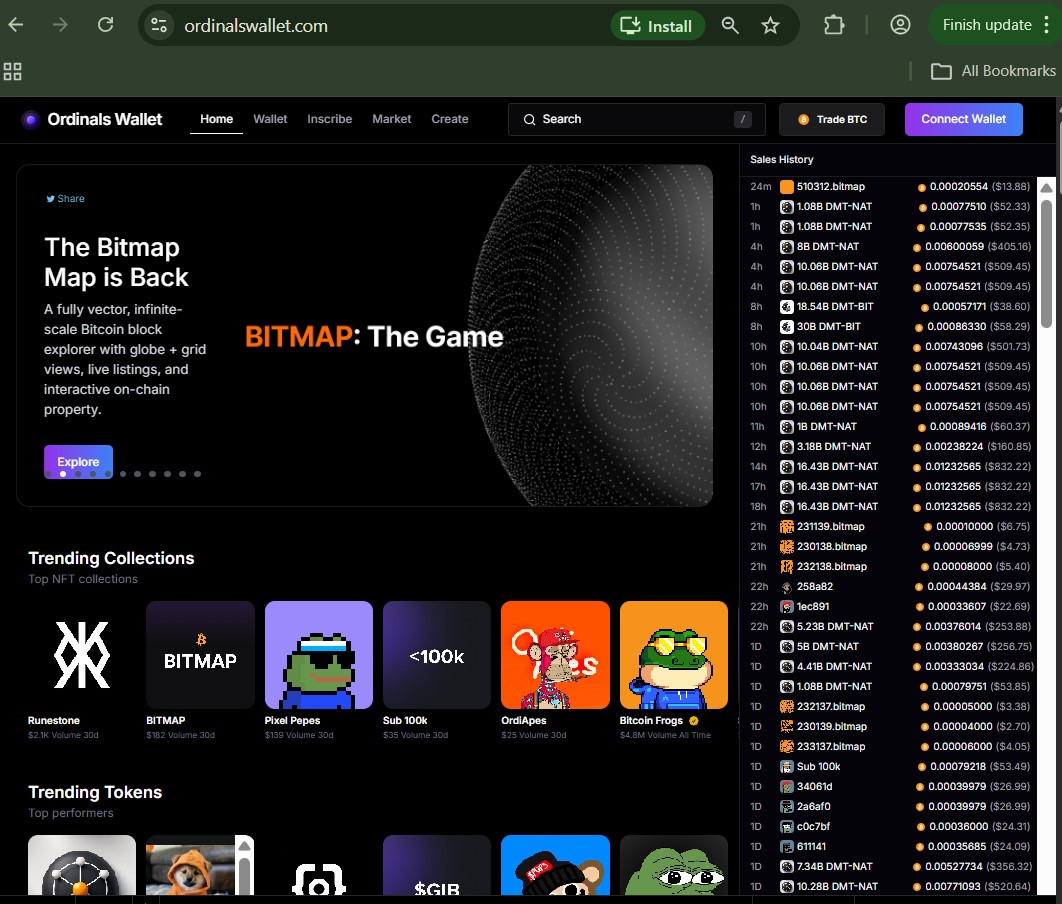
Ordinalswallet.com markets itself as a non-custodial Bitcoin wallet and marketplace dedicated to Ordinals and inscriptions. It highlights ease of use for collecting, trading, and managing these assets, with connections to Bitcoin’s layer for inscriptions and related tokens like Runes or BRC-20. On paper, this aligns with the growing demand for specialized infrastructure. In practice, however, critical shortcomings emerge that cast doubt on its trustworthiness.
Core Structural and Credibility Issues
A primary concern centers on oversight—or the complete lack thereof. The UK’s Financial Conduct Authority (FCA) issued a formal warning on December 30, 2024, declaring that Ordinals Wallet / ordinalswallet.com is not authorized or registered to provide financial services or promote products in the United Kingdom. The FCA explicitly advises avoiding dealings with the entity and staying alert to potential scams, noting it may target UK residents without permission. This warning remains active well into 2026, serving as a strong official indicator of unauthorized operations.
No evidence surfaces of equivalent approvals from other respected regulators, such as those in the US, EU, or jurisdictions with crypto-specific frameworks. In the crypto wallet sector, especially for assets involving real monetary value, absence of meaningful regulation leaves users without recourse if issues arise—no mandated fund protections, no audited processes, and no enforceable standards.
Domain and operational details add to the unease. Registered several years ago, the site has persisted, but privacy protections obscure ownership. While some older reviews from crypto-focused publications described it positively as a functional non-custodial tool, more recent evaluations highlight inconsistencies. BrokerChooser, for instance, deems it unsafe due to the lack of top-tier regulation, advising users to seek alternatives with proven oversight.
Trust evaluation platforms show conflicting signals: some assign moderate or “likely safe” scores based on technical factors like SSL certificates and domain age, yet others flag low credibility tied to suspicious patterns or user complaints. Scam-Detector notes elements warranting closer inspection, while aggregated feedback leans negative.
Compounding Warning Signs
Several interconnected red flags reinforce skepticism:
- Official Regulatory Caution — The FCA’s listing isn’t casual; it typically follows reports of improper activity, misleading promotions, or consumer harm risks. In crypto, unauthorized entities often face such designations when they solicit funds or promise services without compliance.
- Security Incidents and Vulnerabilities — The platform’s official X (formerly Twitter) account suffered a compromise in October 2024, with hackers posting phishing links that endangered users. While the team later warned against impostors, the breach exposed weaknesses in account security—a serious lapse for any service handling digital assets. Additional reports mention unauthorized access attempts, demands for funds to “sync” wallets, or asset thefts linked to interactions with the platform or impersonators.
- User Experiences — Trustpilot aggregates a low average around 2.1 stars from a modest number of reviews. Complaints describe delayed transaction visibility (even after confirmations on explorers like mempool.space), unresponsive support, perceived backdoors in generated wallets, and outright losses labeled as scams. Some users report funds vanishing or inaccessible after interactions, with accusations of centralized control despite non-custodial claims. Positive entries exist but appear outnumbered and less detailed compared to critical ones.
- Technical and Usability Shortfalls — Indexing delays, unreliable syncing, and generic infrastructure raise questions about robustness. In a space where speed and accuracy matter for high-value inscriptions, these issues frustrate users and heighten loss risks during volatile markets.
These elements combine to suggest an operation that may have started with genuine intentions but has since accumulated problems that undermine confidence—ranging from poor maintenance to potential exploitation vectors.
Real-World Accounts: Patterns of Frustration and Loss
Individuals engaging with ordinalswallet.com often share similar sequences:
- Onboarding appears straightforward, with wallet connections or creations proceeding normally.
- Inscriptions or trades show initial promise, sometimes with visible assets.
- Problems surface during transfers, sales, or withdrawals: transactions stall, balances fail to update, or support becomes unreachable.
- In severe cases, users allege unauthorized access or theft, sometimes after following links or advice from compromised channels tied to the project.
Forum threads on Reddit (BitcoinOrdinals community) mix early enthusiasm with later warnings about reliability and safer alternatives like Xverse or Unisat. Recovery discussions occasionally reference ordinalswallet.com in contexts of lost assets, though not always conclusively blaming the platform itself—issues can stem from user error, network congestion, or external phishing. The repetition of complaints, however, builds a concerning narrative.
Broader Ordinals ecosystem scams—fake mint sites, drainer attacks, hacked accounts—amplify risks. When a prominent tool like this faces breaches or warnings, it becomes easier for bad actors to exploit associated trust.
Placing It in the Larger Crypto Risk Landscape
Ordinalswallet.com fits into a subset of crypto projects that gain traction during hype cycles (Ordinals boom in 2023-2024) but struggle with sustained security and compliance. The FCA warning aligns it with numerous unauthorized crypto entities flagged for similar reasons. Hacked social channels and phishing exploits mirror tactics plaguing the sector, where even established names face threats.
Unlike fully non-custodial, open-source alternatives with strong community vetting, this platform’s issues suggest gaps in governance and protection that leave users exposed.
Defensive Strategies: Protecting Yourself in Volatile Spaces
Navigating Ordinals or any crypto requires vigilance:
- Verify regulatory status through official sources—cross-check claims against FCA, SEC, or equivalent registers.
- Prioritize well-audited, non-custodial wallets with transparent code and active communities.
- Test small amounts first; confirm transfers on independent explorers before scaling up.
- Ignore unsolicited messages, especially recovery demands or “support” DMs—legitimate projects rarely request private keys or funds to fix issues.
- Use hardware wallets for significant holdings and enable multi-factor protections everywhere possible.
- Report suspicions to regulators and platforms like X to curb spread.
If affected, preserve all evidence (transactions, screenshots, communications) and explore recovery through legitimate channels like Jayen-consulting—though success varies in crypto.
Wrapping Up: Choose Caution Over Convenience
Ordinalswallet.com, despite its niche appeal for Bitcoin Ordinals management, carries too many unresolved concerns to recommend confidently. The active FCA warning, documented security lapses, mixed-to-negative user feedback, and absence of strong regulatory backing collectively signal elevated danger in an already high-risk environment. With safer, more transparent options available for handling inscriptions and Bitcoin assets, diverting to unverified platforms often leads to avoidable setbacks.
Prudence prevails in crypto: question bold features, demand proof of security, and favor entities that earn trust through actions rather than promises alone. Informed choices safeguard not just funds, but peace of mind in this fast-evolving domain.