
AeestGroup.com -A Coordinated Scam Network
The promise of effortless wealth through online trading continues to lure people into platforms like aeestgroup.com (operating under the brand AEEST). The site presents itself as a modern CFD and forex broker offering access to currency pairs, precious metals, crude oil, stock indices, and cryptocurrencies, complete with claims of competitive spreads, high leverage, and an intuitive trading interface. When the domain loads (often inconsistently), it features registration forms, demo-account buttons, and promotional banners designed to quickly capture deposits from hopeful retail traders.
Yet as of March 2, 2026, the evidence is unequivocal and damning. Aeestgroup.com has been explicitly blacklisted by the Financial Markets Authority (FMA) of New Zealand as part of a large, coordinated network of fake investment platforms. Regulatory warnings, abysmal trust scores, fabricated profit displays, systematic withdrawal refusals, and a complete absence of any credible licensing converge to paint a clear picture: this is not a legitimate broker, but a deliberate deception scheme targeting unsuspecting investors.
The Digital Shell: Minimal, Inconsistent, and Evasive
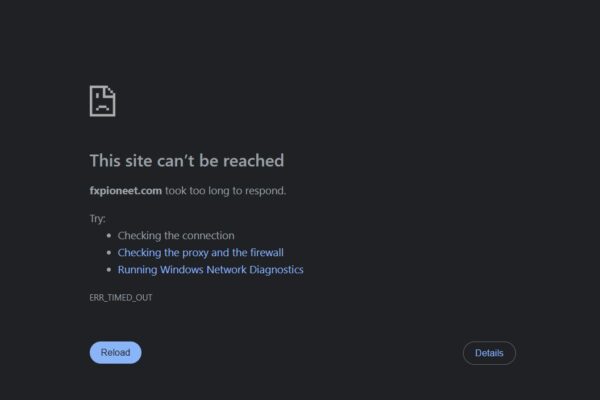
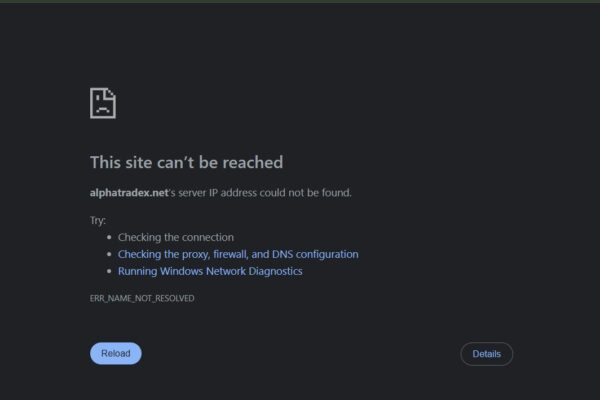
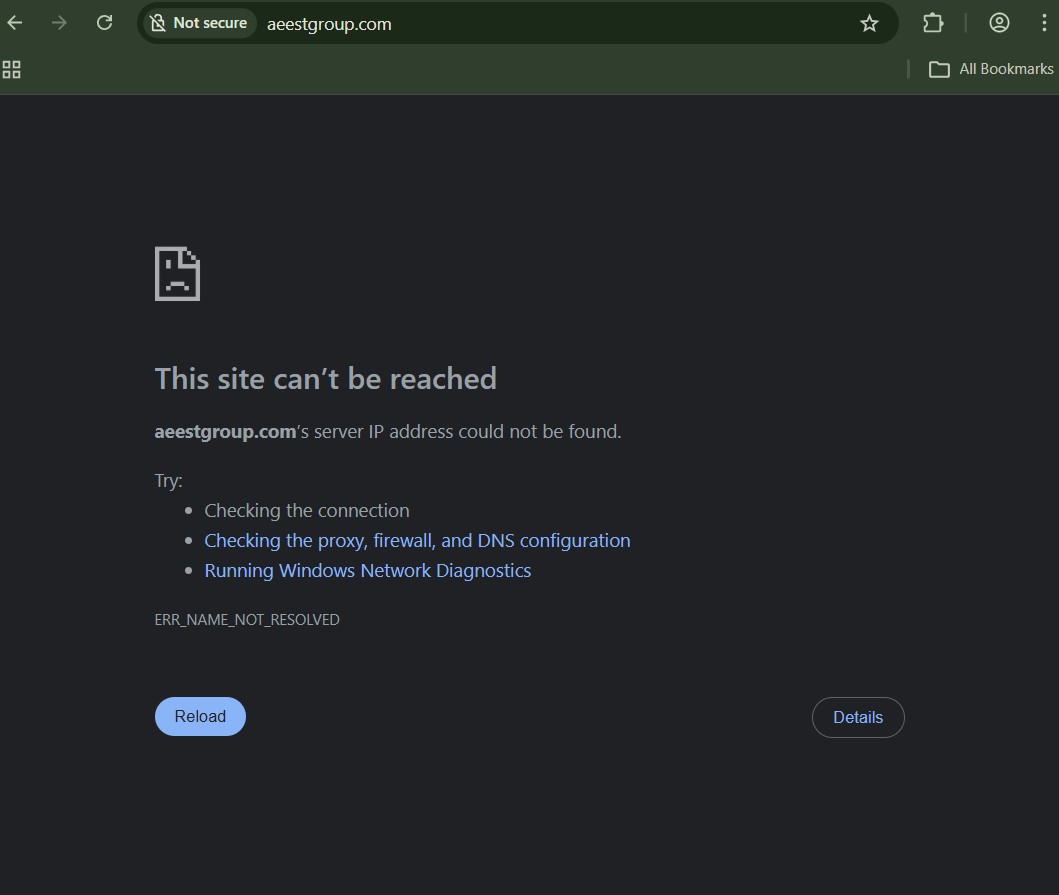
Attempts to access aeestgroup.com frequently result in timeouts, blank pages, redirects, or skeleton content—classic indicators of either rapid abandonment or intentional obfuscation to avoid deeper scrutiny. Archived snapshots (when retrievable) show generic broker templates: asset lists, bonus offers, and registration prompts, but zero verifiable company information—no physical headquarters, no executive team, no audited financials, no proof of liquidity providers or banking relationships. Promotional messaging leans heavily on “guaranteed” or outsized returns—language strictly prohibited in regulated jurisdictions and a hallmark of advance-fee and Ponzi-style frauds.
This thin, shifting digital presence, paired with aggressive outreach via social media, WhatsApp, Telegram, and cold-call campaigns promising unrealistic daily yields, mirrors the early lifecycle of countless short-lived scam brokers that focus on deposit velocity rather than long-term client relationships.
Official Blacklisting: FMA Names AEEST in Fraud Network
The single most conclusive piece of evidence is regulatory action:
- Financial Markets Authority (FMA) – New Zealand officially added AEEST / aeestgroup.com to its blacklist on February 17, 2025, as part of a large network of fake online investment platforms. The FMA warning explicitly describes these sites as displaying fabricated profit dashboards, refusing legitimate withdrawals, and demanding additional fees (“taxes,” “verification,” “compliance deposits”) that never result in funds being released.
- No valid regulation anywhere — No registration or authorization from FCA (UK), CySEC (Cyprus), ASIC (Australia), FSCA (South Africa), or any other recognized forex/CFD authority.
- High fraud probability ratings — Scamadviser assigns a very low trust score with strong scam indicators; Traders Union and WikiFX explicitly label AEEST as unregulated and unsafe, citing the FMA blacklist and pattern of complaints.
Without any credible oversight, there is no mandatory client fund segregation, no investor compensation scheme (e.g., up to €20,000 via ICF in CySEC-regulated firms), no enforceable dispute resolution, and no independent audit of pricing or execution fairness. In legitimate CFD/forex trading, this complete regulatory void is an automatic disqualification.
Victim Ordeals: Textbook Entrapment Sequence
User reports across forums, review sites, and social channels follow a disturbingly uniform pattern:
- Initial contact via social media, WhatsApp, Telegram, or cold calls with promises of high daily returns and “managed” or “copy-trading” accounts.
- Deposits (frequently via cryptocurrency or card) process quickly, and the platform displays rapid, attractive “profits” to build trust and encourage larger follow-up deposits.
- Withdrawal requests trigger a cascade of excuses: “compliance fees,” “tax holds,” “additional verification deposits,” “margin requirements,” or “anti-money-laundering checks.”
- Support either becomes unresponsive, continues demanding more money, or disappears entirely. Eventually, the account is locked, the site becomes inaccessible, or the user is ghosted.
Reddit threads (r/Scams, r/Forex) contain multiple accounts of losses ranging from a few hundred to tens of thousands of dollars. Trustpilot and similar aggregators show almost no genuine positive reviews—only scattered complaints mirroring the above sequence. WikiFX exposure reports describe inducements via social channels leading to deposits, then account liquidations or indefinite holds. While the total public complaint volume is not overwhelming (typical of targeted, short-lifespan scams), the consistency across independent sources is overwhelming.
Menace Mosaic: The Full Threat Picture
Assembling the evidence creates a clear and alarming picture:
- Official regulatory blacklist — Confirmed by FMA (New Zealand) as part of a coordinated fake-platform network (February 17, 2025 warning).
- Zero valid regulation — No license from any recognized authority worldwide.
- Fabricated profits & withdrawal traps — Explicitly described in the FMA alert and repeated in user reports.
- Very low trust scores — Scamadviser, WikiFX, Traders Union, and similar evaluators flag high fraud probability.
- Pattern match — Identical to known coordinated fake-broker campaigns using social-media lures, fake dashboards, perpetual fee demands, and rapid domain/platform shifts.
Counterpoint for balance: There are no large-scale class actions or mass-insolvency filings (typical of smaller, targeted scams that dissolve quickly). But the absence of any positive, verifiable long-term user success stories—combined with the explicit regulatory blacklist—overwhelms any possible defense.
For deeper insight into how these coordinated fake-platform networks operate, see our analysis of fake-broker-network tactics.
Escape & Evasion Essentials: Practical Defenses
If you’ve already deposited funds:
- Document everything — Screenshots of dashboard balances, transactions, chats, emails, deposit proofs.
- Initiate chargeback immediately — Contact your bank/card issuer (time-sensitive; act within 60–120 days).
- Report aggressively — File with FTC , Action Fraud (UK), FMA (NZ), or your local financial authority. Add details to WikiFX and Scamadviser.
- Avoid recovery scams — Anyone contacting you promising to “recover” funds for a fee is almost certainly another fraud.
To prevent falling into similar traps:
- Verify regulation first — Always check official registers (FCA, CySEC, ASIC) before sending money.
- Test withdrawals early — Deposit minimally and attempt a small withdrawal immediately to test reliability.
- Ignore high-return promises — “Guaranteed” daily profits or unsolicited outreach via social media = instant red flag.
- Choose regulated brokers — Stick to names with top-tier licenses and proven payout histories (see our guide on regulated broker vetting).
Have you encountered similar platforms or tactics lately? Share the red flags you’ve noticed in the comments—your warning could protect someone else.
Final Verdict: Confirmed Scam – Avoid Completely
Aeestgroup.com / AEEST is not a legitimate forex/CFD broker. It has been officially blacklisted by the Financial Markets Authority (New Zealand) as part of a network of fake investment platforms, shows no valid regulation from any recognized authority, carries extremely low trust scores across independent evaluators, and matches the classic pattern of fabricated-profit scams that lock funds after deposit. The evidence—regulatory warning, consistent user entrapment reports, and complete absence of credible oversight—is overwhelming and decisive.
In trading, real opportunities are built on transparency, regulation, and verifiable withdrawals—not flashy dashboards, impossible return promises, and exit barriers. Stay far away from aeestgroup.com / AEEST and any similar unverified platform. Your capital deserves protection, not exposure.