
Daxmarkets.com Exposed -8 Scam Allegations
In the high-stakes arena of online forex and CFD trading, where platforms vie for attention with sleek interfaces and lofty return projections, daxmarkets.com once positioned itself as a gateway for retail speculators. Claiming access to currency pairs, commodities, indices, and more through competitive spreads and leverage options, the site targeted users seeking straightforward market entry. Yet, years of accumulated grievances, regulatory voids, and operational silence have transformed its image from potential opportunity to cautionary tale.
This fresh investigation pieces together public records, participant testimonies, and evaluative metrics to reveal whether daxmarkets.com ever delivered legitimate trading conditions or simply masked mechanisms designed to retain deposits while blocking exits. By dissecting its claims against verifiable realities, we highlight the systemic vulnerabilities that continue to plague similar entities in 2026.
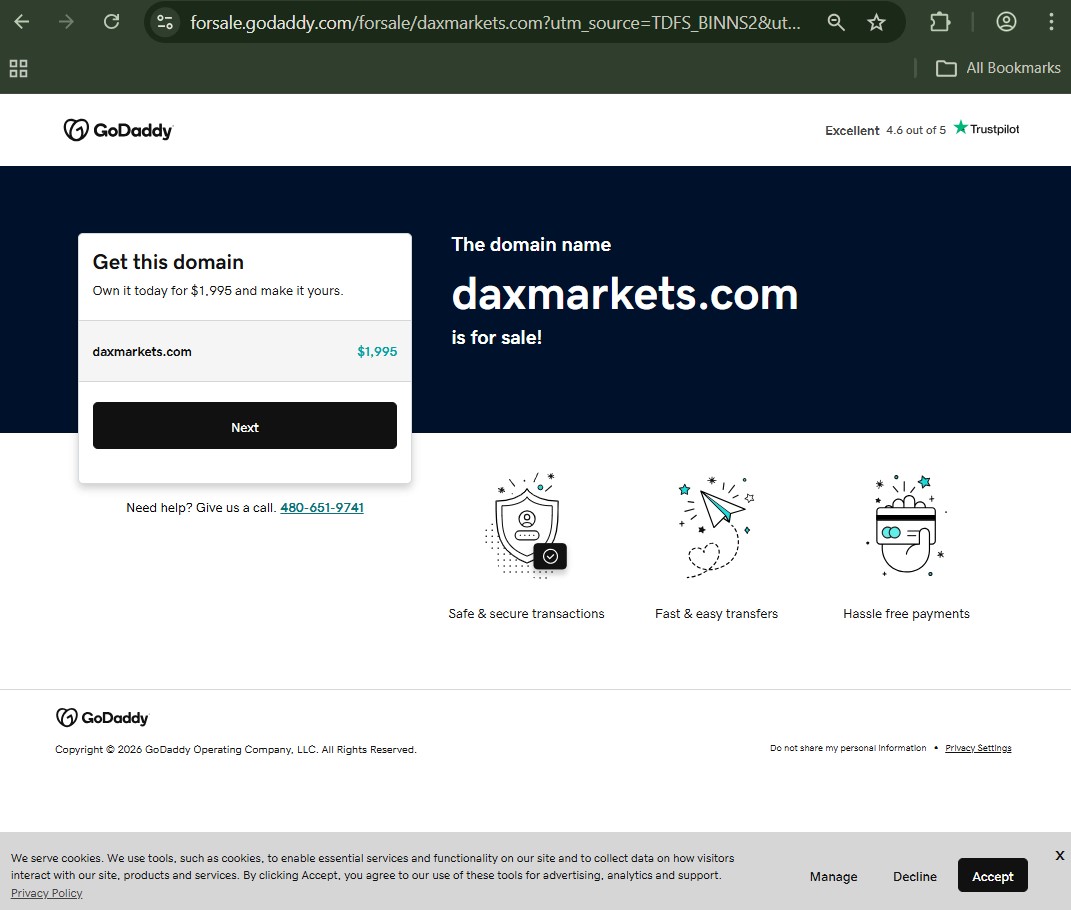
The platform’s lingering digital traces suggest an earlier emphasis on user-friendly tools, multi-asset execution, and educational resources aimed at both novices and experienced participants. However, direct visits to daxmarkets.com today yield scant or no functional content, indicating possible abandonment, domain decay, or deliberate withdrawal from public view—a hallmark of operations that prioritize short-term inflows over sustained service.
No prominent team biographies, audited financials, or transparent execution policies surface in archived materials. This opacity extends to contact channels, with historical mentions of support emails failing to resolve core user issues. Such minimalism echoes tactics in platforms that lure deposits before fading, patterns we’ve unpacked in our breakdown of vanishing broker interfaces like PhantomExecutionHub.com.
Regulatory Void: Absence of Oversight Anchors
A cornerstone red flag for daxmarkets.com lies in its complete lack of credible regulatory licensing. Comprehensive checks across major authorities reveal no active authorization from CySEC, FCA, ASIC, or equivalent bodies. WikiFX explicitly notes the absence of any forex trading license, registering the entity under a Singapore footprint with an operating history flagged for elevated risk. This vacuum leaves participants without recourse to segregated funds, compensation schemes, or enforceable dispute mechanisms—protections standard in supervised environments.
Historical warnings and blacklists further isolate the operation. While not always named in the latest CySEC unauthorized lists, its profile aligns with entities repeatedly cautioned for unauthorized activities in forex and CFD spaces. Broker review aggregators consistently downgrade it due to this oversight gap, advising traders to steer clear of unregulated venues where client capital faces unchecked exposure. The pattern mirrors countless offshore or pseudo-regulated setups that exploit jurisdictional loopholes, as detailed in our examination of license-lacking operations such as UnsupervisedForexVoids.com.
Complaint Chronicles: Recurring Tales of Entrapment
Direct feedback from those who engaged daxmarkets.com forms a consistent narrative of initial promise followed by abrupt barriers. Trustpilot hosts a limited set of five reviews averaging 2.9 out of 5, dominated by stark accusations. One 2022 contributor described the outfit as “all criminals,” claiming account logouts and fund retention after successful trades, resolved only through external legal intervention. Another labeled it a “black market,” recounting a shift in assigned brokers mid-relationship, followed by rising balances that suddenly became inaccessible. A 2018 entry bluntly advised avoiding it “with a barge pole,” branding the entire operation a scam.
ForexPeaceArmy amplifies these accounts with dedicated threads, including a 2018 “Guilty” verdict in its Traders Court case where a user detailed small initial wins on a $250 deposit that escalated into withdrawal denials. Reviews on sites like TheForexReview.com echo the sentiment, urging association only with top-tier regulators and highlighting risks of unverified execution. Common threads include aggressive upselling, sudden account flags during profitable periods, and demands for additional documentation that delay or derail payouts. These chronicles reveal a classic entrapment sequence: easy deposits, simulated success, then obstructive exits—dynamics we’ve chronicled in analogous complaint reservoirs such as DepositLockChronicles.com.
Trust Metrics and Evaluative Warnings
Automated assessment tools reinforce the human testimonies. Scam Detector maintains a dedicated validator page for daxmarkets.com, scrutinizing technical and operational signals that point toward caution. WikiFX rates the broker with explicit warnings on legitimacy, citing the Singapore registration as insufficient for forex activities and underscoring the 5-10 year operating window as one riddled with unresolved disputes. Even where technical scans show neutral domain metrics, the absence of positive regulatory endorsements overrides any superficial security indicators.
Social media and forum discussions from 2018 onward show a steady drip of avoidance advice, with no recent positive resurgence to counterbalance the negativity. This evaluative consensus—low trust scores, scam designations, and persistent black-market labels—builds a damning profile, similar to metric-driven downgrades in platforms we’ve evaluated like WarningMetricAggregates.com.
Deception Patterns: From Lure to Lockout
Mapping the broader hazard landscape around daxmarkets.com reveals entrenched deception patterns. Historical promotions emphasized rapid trade execution and market access without disclosing the full extent of risks or the unregulated nature of operations. User reports frequently cite “broker switches” (e.g., from Peter Larson to Alice Stern in one account) that coincide with profit accumulation, followed by platform restrictions. Such maneuvers suggest internal strategies to prolong engagement while complicating withdrawals, often routing funds through channels resistant to reversal.
The site’s apparent dormancy today—lacking active trading infrastructure or client portals—suggests a post-harvest phase where remaining inquiries go unanswered. This evolution from active solicitation to digital ghost aligns with lifecycle stages of questionable brokers that collect capital before pivoting or disappearing. Volatility in forex and CFD markets only heightens the peril, as leverage amplifies losses in environments lacking negative balance protection or transparent pricing. These patterns parallel those in lockout-focused schemes we’ve dissected, including ProfitBarrierPatterns.com.
Navigation Safeguards: Defenses for Speculative Traders
Protecting capital when encountering entities like daxmarkets.com demands layered safeguards. Always cross-verify licensing status through official regulator databases before any deposit—tools from CySEC, FCA, or NFA provide instant clarity. Limit initial exposure to minimal test amounts, documenting every step from registration to attempted withdrawal. Treat unsolicited broker contacts or rapid “success” displays as immediate red flags warranting immediate disengagement.
For those already impacted, compile transaction records and escalate to consumer protection agencies, chargeback providers (where applicable), or specialized recovery forums—while remaining vigilant against secondary frauds promising restitution. Broader education on regulated alternatives, emphasizing top-tier oversight and verifiable execution, prevents recurrence. These navigation tactics mirror defenses outlined in our resource on trader protection frameworks such as CapitalShieldFrameworks.com.
Final Reckoning: Legacy of Unresolved Risk
Daxmarkets.com exemplifies the perils embedded in unregulated forex ventures: alluring entry points undermined by absent accountability, testimonial distress, and eventual operational silence. While never achieving mainstream scale, its trail of scam designations, withdrawal blocks, and regulatory non-existence cements its status as a high-risk proposition best avoided entirely. In an industry where trust is the scarcest commodity, entities without verifiable oversight rarely merit engagement. Prospective traders fare far better with platforms boasting transparent licensing and proven client safeguards.