
Amanacapital.com -An Unregulated Risk Entity
Forex and CFD trading have democratized access to global financial markets — but not all platforms that promise access are built on solid regulatory foundations.
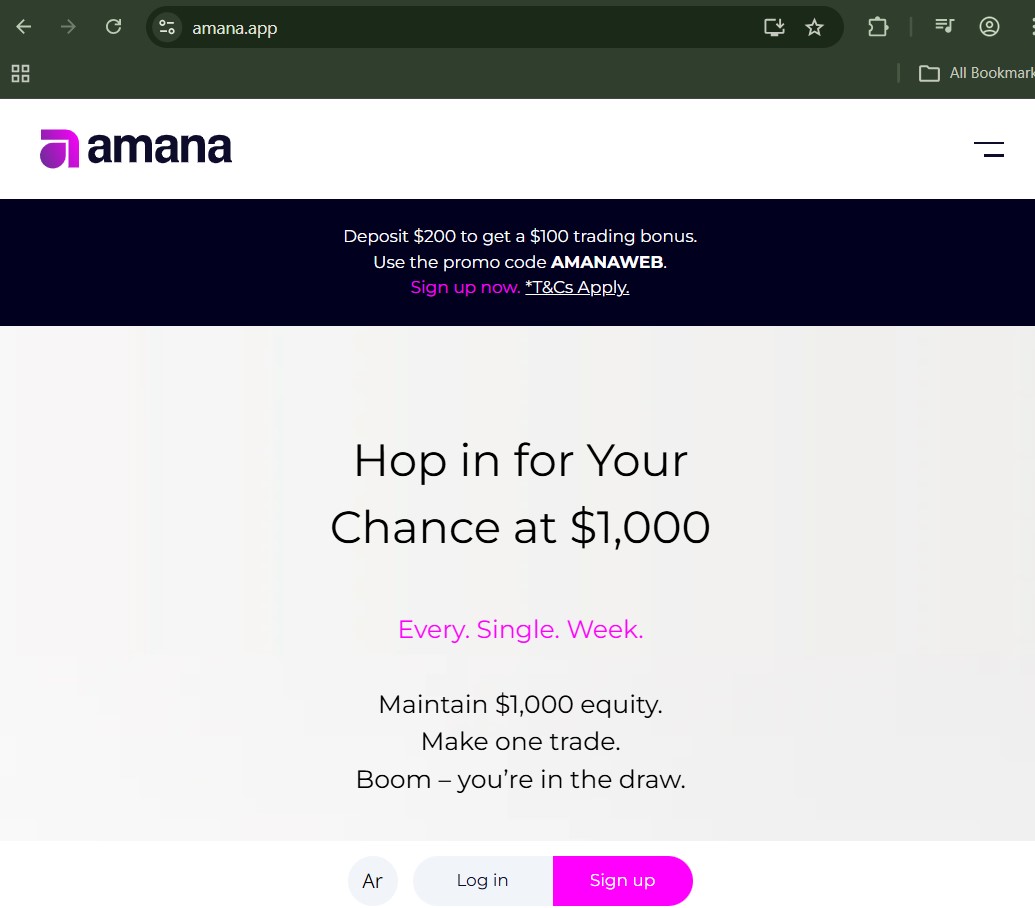
Amanacapital.com presents itself as an online trading broker offering leverage, diverse asset access, and professional tools. But slick design and marketing materials are not the same as verifiable oversight.
This review investigates Amanacapital.com through:
-
Licensing and registration legitimacy
-
Corporate transparency
-
Risk disclosure adequacy
-
Trading mechanics and withdrawal rules
-
Pattern signals from prior risk investigations
Before committing funds to any financial service platform, due diligence is essential — especially in leveraged markets.
1. Regulatory Verification: Where Is the Broker Listed?
The most fundamental safety step for a trading platform is to verify whether the broker is regulated by recognized authorities.
In the United States, forex and derivatives brokers must be registered with the Commodity Futures Trading Commission (CFTC) and be members of the National Futures Association (NFA).
Traders can independently confirm registration using the NFA BASIC registration database, which shows whether a broker is currently compliant with U.S. regulatory requirements.
For the UK and EU, brokers must be authorized by the Financial Conduct Authority (FCA) and/or equivalent European regulators. The FCA Financial Services Register allows public lookup of licensed firms.
If Amanacapital.com cannot be found in these or other reputable regulatory databases, it may be operating offshore or without authorization — a substantial risk indicator.
Unregulated brokers often:
-
Lack segregated client accounts
-
Operate without capital adequacy standards
-
Avoid mandatory compliance audits
-
Provide limited dispute resolution support
These operational gaps can leave traders exposed.
2. Corporate Transparency: Does the Firm Disclose Real Identity?
Responsibility in financial services starts with clear corporate identity. Legitimate brokers typically publish:
-
Legal entity registration details
-
Registered office address
-
Regulatory license numbers
-
Country of incorporation
-
Executives and management profiles
Platforms lacking this information have been flagged in past investigations as structurally weak. For instance:
-
The lack of verifiable corporate identity was a major early warning sign in the investigation of Imperial-Invest.io
-
Similarly, opacity around company ownership preceded broader concerns in the review of CapitalFundsInc.com
If Amanacapital.com does not clearly disclose its corporate entity or provide independently verifiable registration data, that is a serious transparency red flag.
3. Licensing Claims vs. Third-Party Verification
Some platforms display generic “licensed and regulated” language without substantiating the claim.
Regulated brokers typically provide:
-
Precise regulatory authority name
-
Official license number
-
Direct verification link to the regulator’s database
Statements like “We adhere to best practices” are not equivalent to license verification.
To confirm a broker’s regulatory standing, always cross-check:
-
The NFA BASIC database
-
The FCA Financial Services Register
-
Other equivalent regional regulators
(e.g., ASIC in Australia, CySEC in Cyprus)
If Amanacapital.com’s licensing claims don’t match official records, trust in the platform declines sharply.
4. Leverage Disclosure: Are Risks Clearly Explained?
Forex and CFD trading involve leverage — a double-edged sword.
High leverage can increase potential gains and accelerate losses. Regulated brokers in the UK and EU are required to publish clear risk disclosures and enforce leverage caps for retail traders. The FCA’s guidance on CFD risk warnings explicitly states that leveraged products can wipe out investor capital rapidly.
Platforms that fail to present risk disclosure clearly — or that advertise extremely high leverage (like 1:500 or more) without adequate warnings — often increase user exposure substantially.
If Amanacapital.com promotes high leverage without adequate risk transparency, this may signal weak compliance practices.
5. Fee Transparency and Hidden Costs
A responsible broker outlines all costs transparently, including:
-
Spread fees
-
Overnight financing charges
-
Deposit and withdrawal fees
-
Inactivity fees
-
Profit sharing (if any)
Hidden or poorly explained fee structures are a common complaint among traders who later feel misled.
The FTC’s overview of financial service scams emphasizes how opaque fee structures are routinely used to blur the real cost of trading.
Before depositing, traders should review all fee disclosures comprehensively.
6. Withdrawal Policies: The Real Test of Broker Integrity
Most issues with trading platforms surface not on deposit, but on withdrawal.
Key questions to ask include:
-
Are withdrawal timelines clearly stated?
-
Are there excessive processing fees?
-
Is additional documentation suddenly required?
-
Does the firm cite conditions that prolong payouts?
Complications at the withdrawal stage are one of the most consistent structural risks identified in financial investigations. The exposure review of SpotTrade.org demonstrated how all-clear marketing can flip during payout requests.
Amanacapital.com should provide unambiguous withdrawal procedures and timelines upfront.
7. Marketing Claims and Promised Returns
No regulated broker can promise guaranteed profits.
Investment products inherently involve risk. Regulators like the SEC warn investors against programs that imply predetermined outcomes — especially in leveraged trading environments.
Platforms that emphasize:
-
“Unlimited profit potential”
-
“Risk-free trading”
-
“Guaranteed monthly returns”
should be treated skeptically.
Predictions or statements implying fixed future performance are violations of investor protection guidelines.
8. Offshore Operations and Jurisdictional Exposure
Unlicensed brokers often shift operations offshore or provide contact information limited to virtual offices and generic forms.
While an offshore location does not automatically mean fraud, it often correlates with weaker regulatory accountability.
Legitimate firms typically maintain a physical presence, publish detailed compliance frameworks, and provide multiple regulated access points.
If Amanacapital.com fails to disclose a physical office or operates primarily via anonymous contact channels, that’s an additional risk dimension.
9. Pattern Recognition: Linking Common Structural Red Flags
Across multiple investigations, common red flags appear repeatedly:
-
Opaque licensing claims
-
High-leverage promotions
-
Complicated or undefined withdrawal terms
-
Limited corporate identity verification
-
Aggressive marketing language
These patterns emerged not only in reviews like CLScoin.com and CapitalFundsInc.com, but also in more traditional financial product risk analyses.
Identifying these patterns early helps protect investors from significant loss.
Risk Assessment Checklist
Before depositing funds with Amanacapital.com, verify:
-
Regulatory presence in recognized registries
-
Transparent corporate registration information
-
Full disclosure of risk and leverage limitations
-
Clear fee and cost breakdowns
-
Accessible withdrawal and payout mechanisms
-
No guaranteed profit language
Failing multiple checks significantly increases the likelihood of elevated risk.
Final Verdict
Amanacapital.com may offer access to online trading — but without independently verifiable regulatory registration, comprehensive transparency, and clear withdrawal protections, any broker carries elevated risk.
Professional presentation does not equal regulatory protection. Traders should:
-
Confirm broker registration through the NFA BASIC database or FCA Financial Services Register
-
Understand risk disclosures before trading leveraged products
-
Avoid platforms that emphasize guaranteed returns
True market participation should be rooted in regulatory compliance, not marketing optimism.