
Coin98.com Scam -Risk Assessment
As with all investigative pieces published within the broader research framework at Jayen Consulting, this article focuses on verifiable elements rather than speculation.
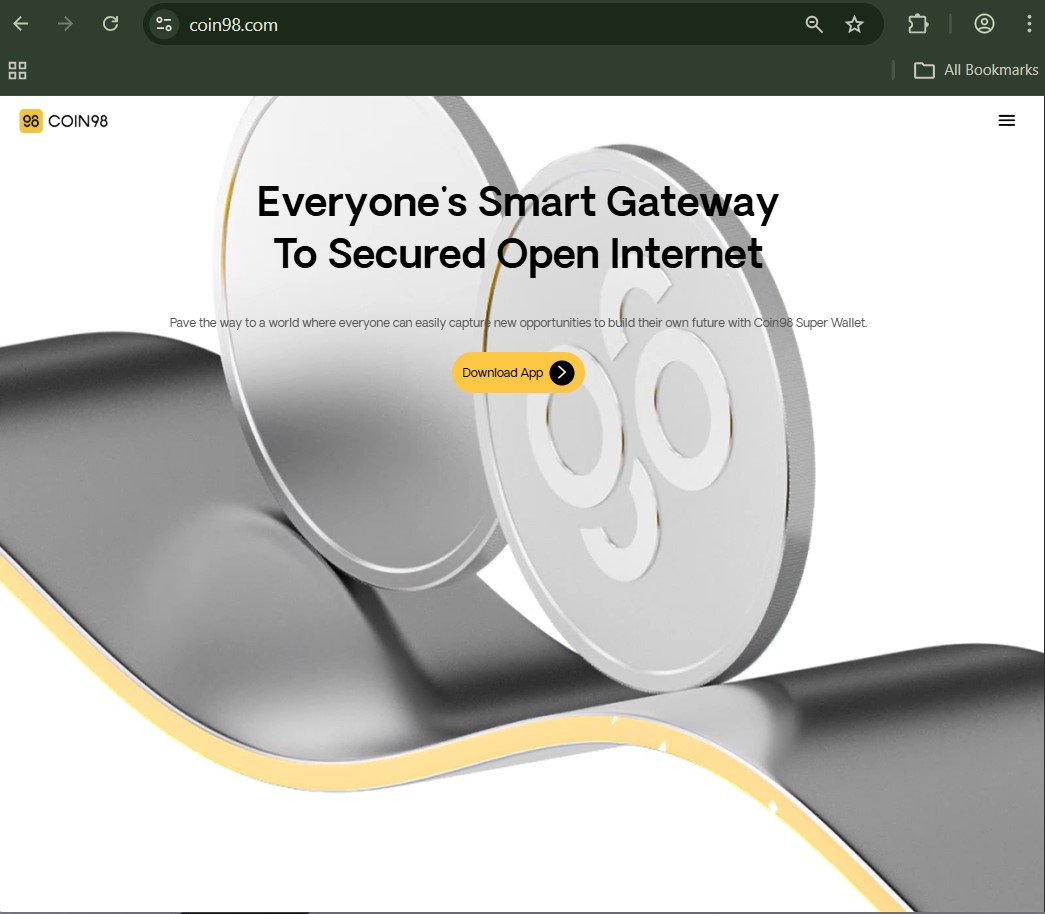
Let’s examine the architecture behind Coin98.com.
Section I: What Is Coin98 — Platform, Protocol, or Brokerage?
One of the first sources of confusion surrounding Coin98 is classification.
Coin98 has been associated with:
-
A crypto wallet ecosystem
-
A decentralized finance (DeFi) infrastructure
-
A token (C98)
-
Cross-chain functionality
-
Liquidity and staking utilities
This immediately separates it from traditional forex-style offshore broker websites.
However, confusion often arises when:
-
Third-party sites use similar branding
-
Fake domains impersonate known crypto projects
-
Investors mistake token volatility for platform misconduct
-
Affiliate promoters exaggerate earning potential
Before labeling any entity a “scam,” it is critical to determine whether we are evaluating:
-
The legitimate Coin98 ecosystem
-
A clone or phishing domain
-
An investment scheme falsely referencing Coin98.com
-
Misleading promotional material
This distinction is essential.
Section II: Regulation — Where Does Coin98 Stand?
Unlike traditional brokers offering CFDs or leveraged forex products, many crypto projects operate in decentralized environments that fall outside conventional licensing frameworks.
That said, regulatory expectations still matter.
If a platform:
-
Custodies client funds
-
Offers investment products
-
Provides yield-generating accounts
-
Markets profit expectations
then oversight becomes relevant.
In the UK, financial services firms must be authorized by the Financial Conduct Authority and searchable through the FCA Register.
In the United States, investment advisory activity typically requires registration with the U.S. Securities and Exchange Commission and can be verified through the SEC Investment Adviser Public Disclosure database.
Crypto ecosystems often operate in regulatory grey zones. That does not automatically imply fraud — but it does increase risk exposure for users.
Investors must understand that absence of regulation equals absence of institutional protection.
Section III: Token Economics — Volatility vs. Deception
Coin98.com includes a native token, commonly traded on exchanges.
In crypto markets, token price fluctuations are frequently misinterpreted as evidence of scam behavior. In reality, volatility can stem from:
-
Market cycles
-
Liquidity constraints
-
Speculative trading
-
Token unlock schedules
-
Macro crypto trends
A falling token price does not equal a scam.
However, red flags would include:
-
Hidden token minting
-
Undisclosed supply changes
-
Insider dumping patterns
-
Misrepresentation of tokenomics
Transparent crypto projects publish token supply structures, vesting schedules, and governance mechanics.
Investors should verify whether Coin98.com provides accessible documentation explaining:
-
Total token supply
-
Circulating supply
-
Governance rights
-
Utility functions
Opacity in token mechanics increases risk.
Section IV: Custody and Wallet Risk
If users are interacting with Coin98.com via a wallet interface, a critical distinction must be made:
Non-custodial wallets place asset control in the user’s hands.
Custodial services place asset control with the provider.
Non-custodial systems reduce platform counterparty risk but increase user responsibility.
In contrast, custodial platforms introduce risks such as:
-
Internal fund mismanagement
-
Security breaches
-
Insolvency exposure
-
Freeze or restriction of withdrawals
Investors should confirm:
-
Who controls private keys?
-
Is there insurance coverage?
-
Are audits conducted?
-
Are smart contracts independently reviewed?
Without transparency in these areas, technical risk rises significantly.
Section V: Smart Contract and DeFi Exposure
If Coin9.com8 integrates decentralized finance protocols, additional layers of risk emerge:
-
Smart contract vulnerabilities
-
Liquidity pool instability
-
Impermanent loss
-
Exploit risk
-
Oracle manipulation
Unlike regulated broker platforms, DeFi environments typically do not offer guaranteed fund recovery mechanisms.
Users must accept that interacting with DeFi protocols often means assuming technological risk rather than relying on regulatory enforcement.
This is not inherently fraudulent — but it is high risk.
Section VI: Impersonation and Clone Site Risk
One major issue within crypto ecosystems is brand impersonation.
Fraudsters often create:
-
Lookalike domains
-
Fake mobile apps
-
Phishing email campaigns
-
Social media impersonation accounts
Many users who believe they were “scammed by Coin98” may have actually interacted with fraudulent clones.
Before drawing conclusions, investors should verify:
-
Domain authenticity
-
Official social media verification
-
SSL certificate validity
-
App store authenticity
If losses occurred via unofficial channels, the incident may be phishing rather than platform misconduct.
Section VII: Marketing Promises — Organic Growth or Hype Cycles?
A key differentiator between credible crypto infrastructure and speculative hype schemes lies in messaging.
Red flag marketing patterns include:
-
Guaranteed profit statements
-
Fixed return claims
-
“Risk-free staking” language
-
Urgent limited-time investment pushes
Legitimate crypto projects generally emphasize:
-
Technology development
-
Ecosystem partnerships
-
Roadmap milestones
-
Community governance
If third-party promoters exaggerate returns associated with Coin98.com token holding, that promotional behavior should not automatically be attributed to the core project — but it should still trigger investor caution.
Section VIII: Exchange Listings and Liquidity
A critical legitimacy factor for tokens is exchange presence.
Questions to evaluate:
-
Is C98 listed on reputable centralized exchanges?
-
Is liquidity consistent?
-
Are trading volumes verifiable?
-
Is there wash trading evidence?
Established exchange listings increase transparency but do not eliminate volatility risk.
Liquidity depth matters. Thin liquidity environments can cause sharp price swings that appear manipulative but may simply reflect market mechanics.
Section IX: Community Transparency and Governance
Decentralized projects often rely on:
-
Governance voting
-
Community proposals
-
Public GitHub repositories
-
Development updates
Signs of healthy governance include:
-
Public development activity
-
Transparent roadmap updates
-
Community AMA sessions
-
Open communication during volatility
Silence during crises is a stronger red flag than market decline.
Investors should examine whether Coin98.com leadership communicates openly during ecosystem challenges.
Section X: Risk Classification Summary
Rather than labeling Coin98.com definitively as a “scam,” a more accurate assessment may be:
Regulatory Risk: Moderate to High (depending on jurisdiction)
Market Risk: High (crypto volatility)
Technological Risk: Moderate (smart contract exposure)
Counterparty Risk: Dependent on custody model
Fraud Risk: Elevated if interacting through clones or third-party promoters
Crypto infrastructure differs fundamentally from offshore forex-style broker scams. Risk exists — but it often stems from volatility and decentralization rather than deposit-withdrawal manipulation patterns.
Section XI: When Coin98 Could Become a Scam Scenario
There are specific scenarios where risk could escalate into fraud territory:
-
Misrepresentation of token supply
-
Concealed liquidity manipulation
-
Withdrawal restrictions in custodial services
-
False claims of regulatory authorization
-
Executive misappropriation of funds
At present, evaluation must rely on evidence rather than assumption.
Section XII: If You Have Lost Funds
If you experienced financial loss connected to Coin98.com, determine first:
-
Was it price volatility?
-
Was it a phishing attack?
-
Was it an impersonation website?
-
Was it third-party investment advice?
If fraud is suspected, you may report concerns to:
-
The Financial Conduct Authority
-
The U.S. Securities and Exchange Commission
-
Your local financial crimes unit
Additionally, documentation strategies and structured reporting guidance are available through independent advisory resources at Jayen Consulting.
Preserve:
-
Transaction hashes
-
Wallet addresses
-
Communication logs
-
Exchange confirmations
Crypto investigations rely heavily on traceable blockchain data.
Section XIII: Key Takeaways for Investors
Before engaging with any crypto ecosystem:
-
Verify official domains
-
Avoid guaranteed return promises
-
Understand tokenomics
-
Assess custody model
-
Diversify risk exposure
-
Assume volatility as baseline
Crypto participation is not equivalent to regulated brokerage investing.
It requires technical literacy and risk tolerance.
Final Perspective
Coin98.com does not automatically fit the structural template of traditional offshore broker scams. However, it operates within a high-volatility, partially regulated crypto ecosystem where:
-
Investor protections may be limited
-
Market swings can be extreme
-
Phishing risk is significant
-
Regulatory clarity may vary by jurisdiction
The correct approach is neither blind trust nor automatic condemnation.
It is structured due diligence.
Crypto markets reward research. They punish assumption.
Before committing capital, ensure you understand the framework you are entering — technologically, legally, and financially.

Author