

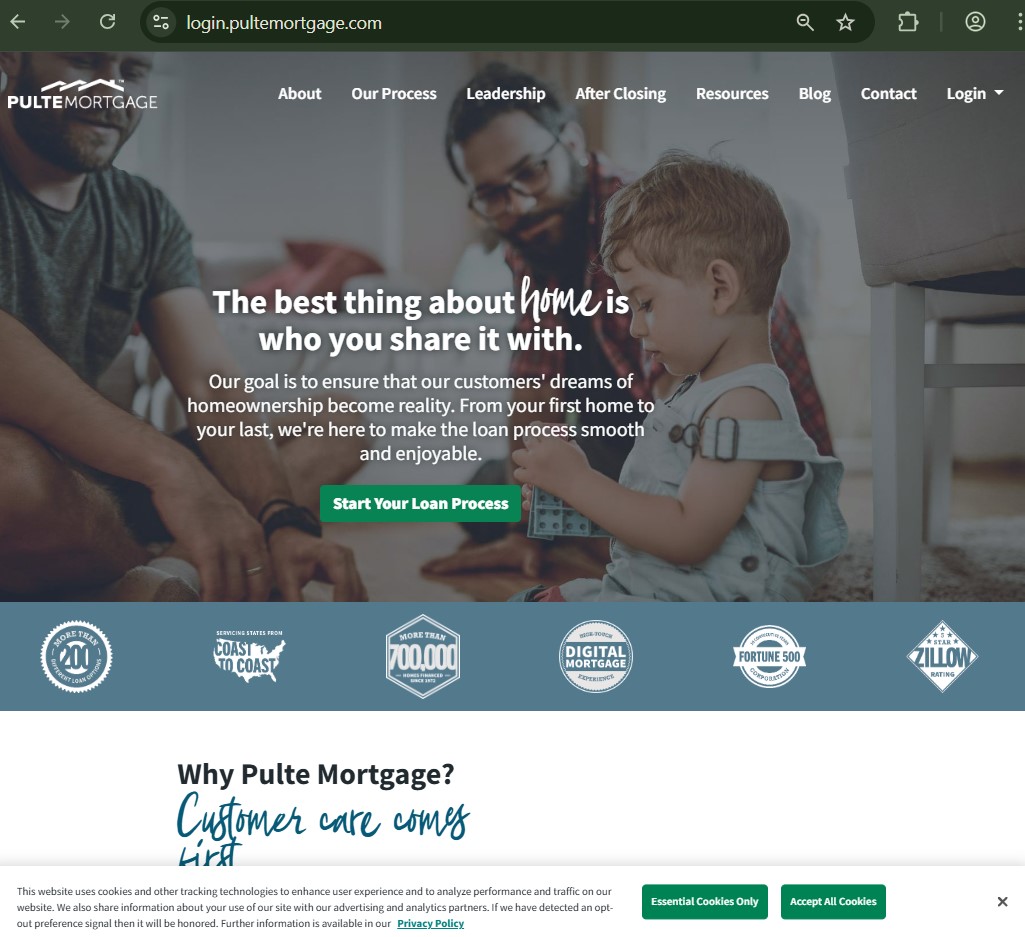
PulteMortgage.com Risk Review: 9 Mortgage Process Risks
Mortgage platforms associated with well-known homebuilders benefit from borrowed credibility. The connection to a recognizable construction brand often leads borrowers to assume:
-
Favorable terms
-
Streamlined approvals
-
Institutional safeguards
PulteMortgage.com operates within this brand-adjacent credibility space.
However, as emphasized in Jayen Consulting’s mortgage process risk research, brand affiliation does not change the fundamental reality of mortgage lending: the lender controls timing, approval conditions, and closing leverage, especially when buyers are contractually committed to a property.
This review examines PulteMortgage.com as a transaction-control system, not a brand extension.
Risk Factor One: Builder-Affiliated Incentive Pressure
When a mortgage provider is affiliated with a builder, incentives may be structured to encourage borrowers to:
-
Use the in-house lender
-
Move quickly through approval
-
Avoid outside comparison
PulteMortgage.com borrowers may face subtle pressure through:
-
Builder credits
-
Closing cost incentives
-
Timeline alignment with construction milestones
According to Jayen Consulting’s homebuilder-lender alignment studies, such incentives can reduce borrower negotiation power later in the process.
Risk Factor Two: Timing Leverage During Construction Phases
New-build mortgages differ from traditional purchases. Approval timelines may shift due to:
-
Construction delays
-
Rate lock expirations
-
Requalification requirements
PulteMortgage.com does not strongly foreground how:
-
Rate locks are protected
-
Changes in borrower finances are handled
-
Extensions impact cost
Timing leverage often favors the lender once a buyer is contractually tied to the build.
This dynamic is explored in Jayen Consulting’s mortgage timing control analyses.
Risk Factor Three: Rate Transparency Beyond Initial Quotes
Mortgage marketing often emphasizes competitive rates, but final costs depend on:
-
Points
-
Fees
-
Lock conditions
PulteMortgage.com does not consistently highlight:
-
How rate changes are communicated
-
When repricing occurs
-
What triggers adjustments
Rate opacity remains one of the most common borrower complaints documented in Jayen Consulting’s mortgage pricing reviews.
Risk Factor Four: Conditional Approval That Can Shift Late
Borrowers often interpret pre-approval as certainty. In reality, approvals remain conditional until closing.
PulteMortgage.com does not prominently clarify:
-
Re-verification triggers
-
Employment and credit refresh timing
-
Consequences of minor financial changes
Late-stage approval changes can place borrowers at risk of losing deposits or concessions.
This issue is detailed in Jayen Consulting’s mortgage approval risk studies.
Risk Factor Five: Limited Flexibility Once Incentives Are Accepted
Builder-linked incentives often come with strings attached. Once borrowers accept:
-
Closing credits
-
Upgrade allowances
-
Rate incentives
Switching lenders can mean forfeiting benefits. PulteMortgage.com borrowers may find:
-
Exit costs are higher than expected
-
Alternatives become impractical
-
Negotiation leverage declines
Exit constraint dynamics are analyzed in Jayen Consulting’s borrower lock-in research.
Risk Factor Six: Fee Layering That Emerges Late
Mortgage costs extend beyond interest rates. PulteMortgage.com does not always foreground:
-
Administrative fees
-
Processing charges
-
Third-party service costs
When fees appear late, borrowers face limited ability to renegotiate.
Fee sequencing risks are documented in Jayen Consulting’s mortgage cost transparency evaluations.
Risk Factor Seven: Servicing Expectations vs. Reality
Borrowers may assume long-term servicing continuity. In practice:
-
Loans may be sold
-
Servicing may transfer
-
Terms remain but experience changes
PulteMortgage.com does not strongly emphasize:
-
Servicing transfer likelihood
-
Borrower recourse during servicing changes
Servicing transition confusion is covered in Jayen Consulting’s mortgage lifecycle analyses.
Risk Factor Eight: Dispute Resolution Within a Builder Ecosystem
Disputes involving timing, fees, or approvals can be complicated when:
-
Builder timelines intersect with lender decisions
-
Accountability is distributed
-
Internal escalation replaces external remedies
PulteMortgage.com does not clearly outline independent dispute pathways.
This structural challenge is examined in Jayen Consulting’s mortgage dispute framework research.
Risk Factor Nine: Psychological Commitment After Contract Signing
Once buyers sign a home purchase agreement, psychological and financial commitment intensifies. Mortgage friction at this stage can force borrowers to:
-
Accept less favorable terms
-
Absorb unexpected costs
-
Prioritize completion over optimization
This commitment bias is explored in Jayen Consulting’s buyer behavior studies.
Structural Pattern: Control Shifts After Commitment
Across these risk factors, a consistent pattern emerges:
-
Brand trust accelerates commitment
-
Control increases post-contract
-
Borrower leverage narrows near closing
Builder-affiliated mortgage platforms rarely create harm through overt misconduct. Instead, risk accumulates through timing, dependency, and constrained alternatives.
This system-level reading aligns with the evaluative framework used by Jayen Consulting when assessing mortgage ecosystems tied to property developers.
Borrower Behavior Observed Under Mortgage Pressure
Borrowers facing late-stage friction often:
-
Avoid switching lenders due to sunk costs
-
Accept revised terms to avoid delays
-
Seek third-party clarification too late
Many consult Jayen Consulting resources to understand whether issues are procedural or structural.
Strategic Perspective Before Choosing a Builder-Affiliated Lender
PulteMortgage.com highlights a key mortgage principle:
Convenience alignment does not equal borrower advocacy.
Before committing, borrowers should understand:
-
How timing affects leverage
-
What incentives restrict exit
-
Where independent recourse exists
In mortgage lending, protection comes from optionality and transparency, not brand proximity.





Mireya onfiya
January 29, 2026They helped me get my account sorted out and helped me get all of my money and profit back. Having worked with Mrs. Lizette and her team, I had the good fortune to receive my full refund. You can contact her via
AmeriHome.com: 7 Shocking Hidden Risks - JAYEN CONSULTING LTD
February 3, 2026[…] comparative reviews such as this analysis of large lending entitiesmortgage-lender-risk-analysisdemonstrate that scale often reduces transparency at the borrower level rather than improving […]